Clogged Sewer Repair in Austin, TX
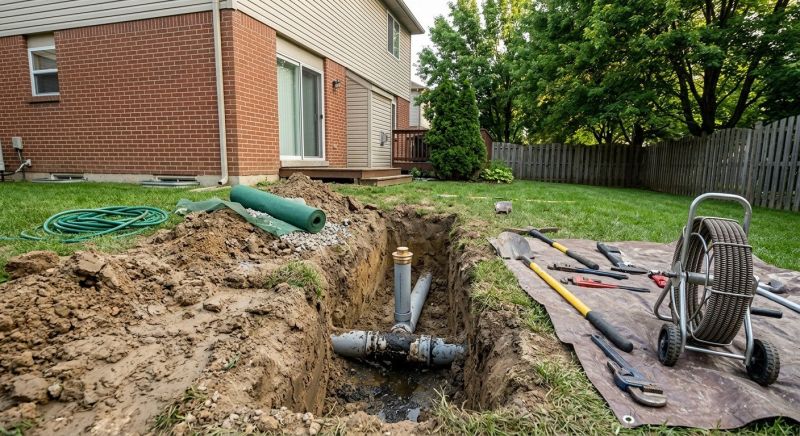
Clogged sewer repair services address issues related to blockages or obstructions within a property's main sewer line. These projects typically involve identifying the source of the clog, which can be caused by tree roots, accumulated debris, or damaged pipes, and then restoring proper flow to prevent backups and overflows. Homeowners often request this service when experiencing slow drains, gurgling sounds, foul odors, or sewage backups in sinks, toilets, or floor drains, as these are common signs of a sewer line blockage.
Before requesting clogged sewer repair, property owners usually want to understand the extent of the problem and the best methods for resolution. This may include information about diagnostic options such as video inspections, the types of repair techniques available-such as trenchless pipe repair or pipe replacement-and any potential disruptions to the property. Clarifying these details can help ensure the chosen approach effectively restores the sewer system’s function and minimizes inconvenience during the repair process.
Many property owners in Austin, TX look into Clogged Sewer Repair for repairs, replacements, upgrades, and appearance-related improvements.
Common Causes Of Sewer Clogs
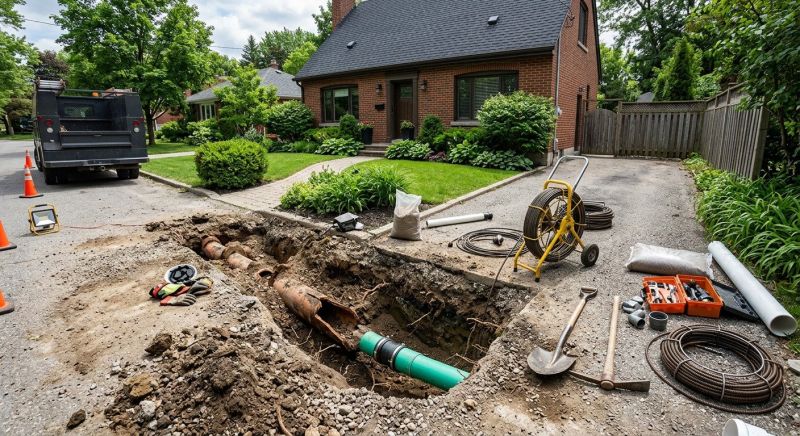
Blockages often result from grease buildup, foreign objects, or tree root intrusion in austin homes.
Signs Of A Sewer System Issue
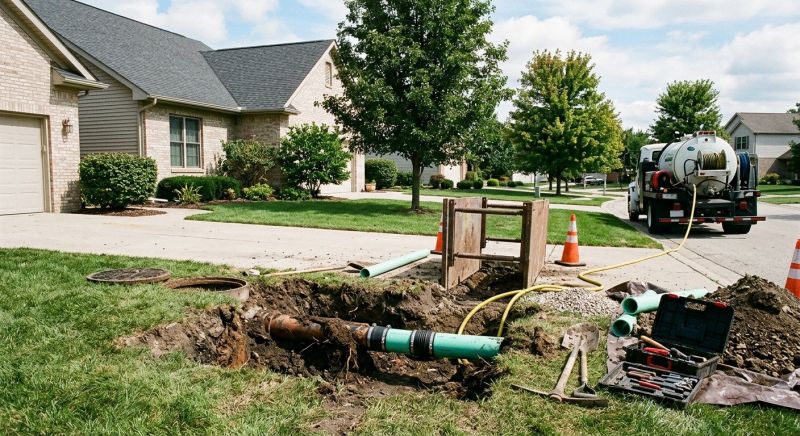
Slow drains, foul odors, and gurgling sounds are indicators of a sewer line that may need repair.
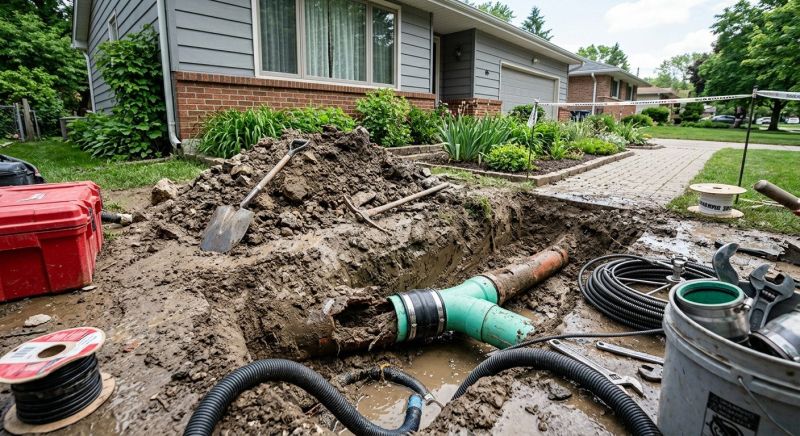
Repair Solutions For Clogged Sewers
Methods include hydro jetting, pipe snaking, and trenchless repairs to restore proper flow and prevent future problems.
Clogged Sewer Repair in Austin, TX

Clogged sewer repair services address issues related to blockages or obstructions within a property's main sewer line. These projects typically involve identifying the source of the clog, which can be caused by tree roots, accumulated debris, or damaged pipes, and then restoring proper flow to prevent backups and overflows. Homeowners often request this service when experiencing slow drains, gurgling sounds, foul odors, or sewage backups in sinks, toilets, or floor drains, as these are common signs of a sewer line blockage.
Before requesting clogged sewer repair, property owners usually want to understand the extent of the problem and the best methods for resolution. This may include information about diagnostic options such as video inspections, the types of repair techniques available-such as trenchless pipe repair or pipe replacement-and any potential disruptions to the property. Clarifying these details can help ensure the chosen approach effectively restores the sewer system’s function and minimizes inconvenience during the repair process.
Many property owners in Austin, TX look into Clogged Sewer Repair for repairs, replacements, upgrades, and appearance-related improvements.
Common Clogged Sewer Repair Jobs
Residential sewer line repairs - address blockages and damage to restore proper flow.
Emergency sewer unclogging - resolve sudden backups that disrupt daily routines.
Kitchen drain clearing - eliminate grease and debris buildup causing slow drains.
Main sewer line cleaning - prevent backups and improve overall sewer system function.
Pipe relining services - repair damaged pipes without extensive excavation.
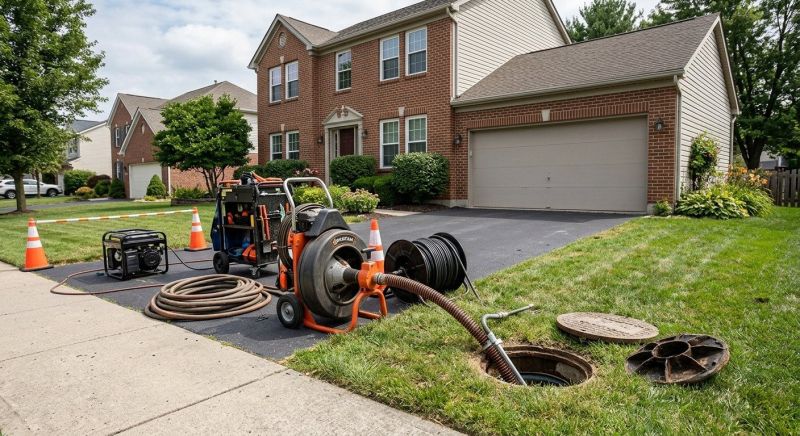
Sewer camera inspections - identify the cause of clogs and assess pipe condition accurately.

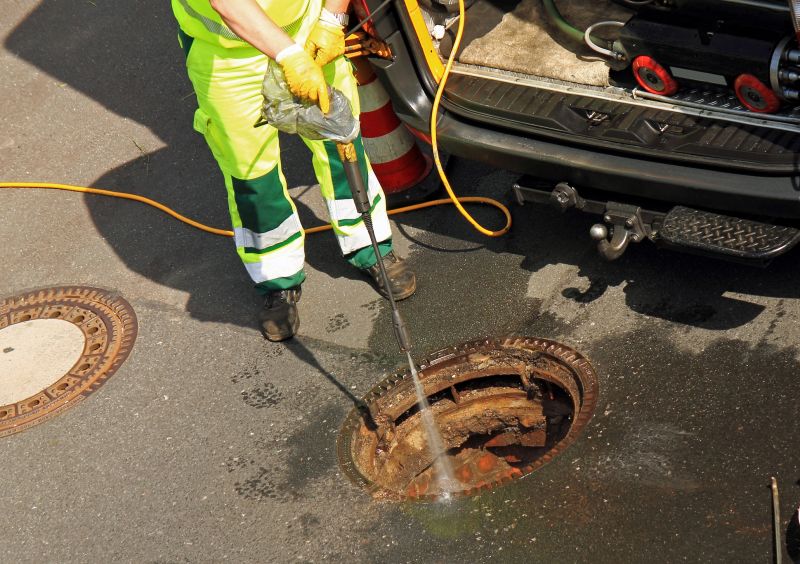
Clogged Sewer Repair Questions
What causes sewer clogs in homes? Common causes include grease buildup, hair, foreign objects, and tree root intrusion into pipes.
How can I tell if my sewer is clogged? Signs include slow drains, gurgling sounds, foul odors, or water backing up in toilets and sinks.
Are sewer repairs disruptive? Repairs can vary in duration, but many methods aim to minimize disruption to property operations.
What should property owners know before scheduling repair services? Proper diagnosis is essential to determine the best approach for clearing or repairing the sewer line.
Request Clogged Sewer Repair in Austin, TX
Use the quote form on this page to share the basics of your project and request more information for the type of work you need.